
What if we could create human DNA—not just edit it—but build it entirely from scratch?
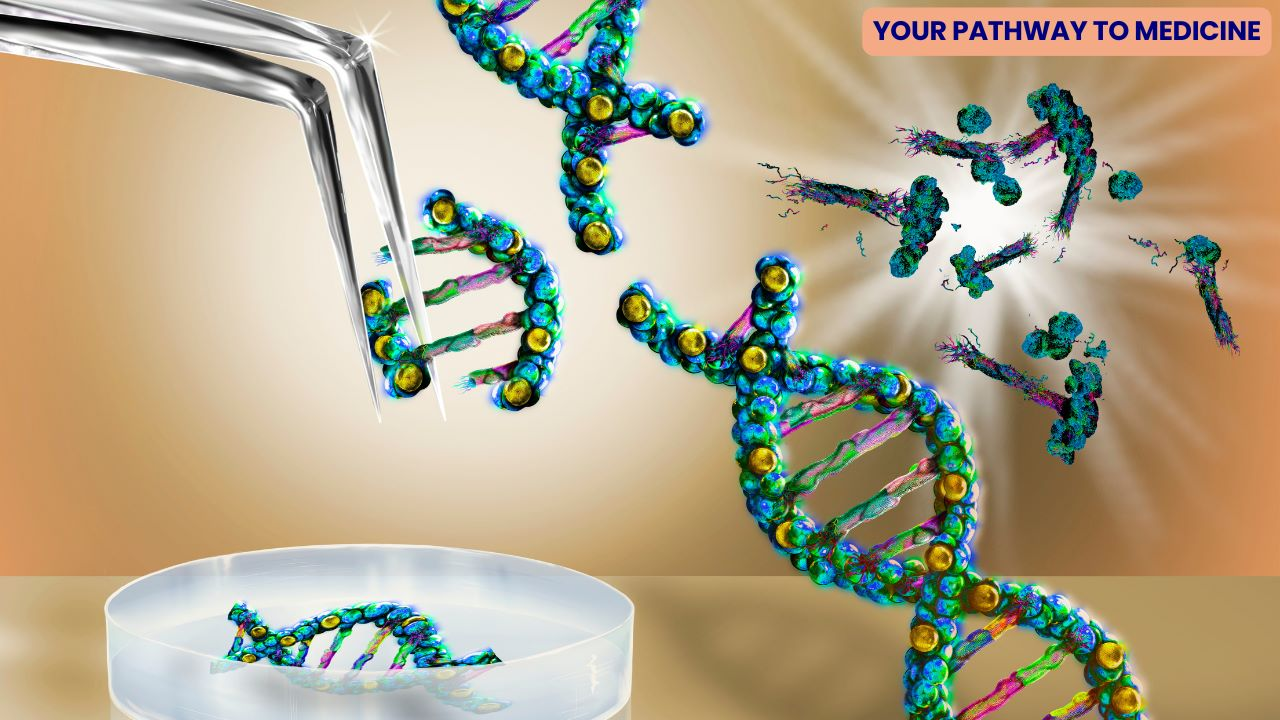
That’s no longer science fiction. Scientists have officially begun working on creating artificial human DNA from the ground up. In a recent feature by BBC News, researchers revealed the launch of a bold international project to rewrite the entire human genome, by replacing nature’s version with one created in the lab.
But what does this mean? And why should future doctors care?
What Is Artificial DNA?
DNA is often described as the "blueprint of life". It contains all the instructions that determine how living organisms develop and function. Traditionally, scientists have only been able to edit DNA using techniques like CRISPR. Now, they are working to synthesise entire DNA sequences from scratch, potentially giving us full control over genetic code.
In short, instead of editing life, we are learning how to build it.
Why Is This Groundbreaking?
The artificial DNA initiative is part of a global programme called Genome Project-write (GP-write). The goal is to understand how the human genome works by recreating it, much like building a puzzle to understand the picture.
This could lead to:
- New cures for genetic diseases like cancer, cystic fibrosis, or sickle cell anaemia
- Resistant cells that don’t get infected by viruses
- Safer organ transplants that don't trigger immune rejection
- Revolutionary insights into human development and evolution
Imagine being a doctor in the future, treating patients using organs grown from synthetic DNA or prescribing personalised gene-based therapies built in a lab.
Ethics, Responsibility, and the Role of Future Doctors
This project also raises big ethical questions. If we can design human DNA, where do we draw the line? Who decides what counts as “healthy” or “normal”? And what risks might we be taking?
As a future doctor, it won’t be enough to just understand science, you will also need to think critically, ethically, and compassionately. That is why our lessons at Your Pathway to Medicine include topics like medical ethics, consent, genetic medicine, and emerging technologies.
Why This Matters to You
You might be years away from writing research papers or leading clinical trials, but as a future medic, the medical world is changing fast, and it’s never too early to start exploring it.
At Your Pathway to Medicine, we break down complex ideas like this into engaging, bite-sized lessons so students like you can build confidence, insight, and curiosity, the key ingredients for a successful application to medical school.
Final Thought
Artificial DNA might sound like science fiction, but it’s real—and it’s happening now. The doctors of the future (that’s you!) will need to understand, navigate, and lead in a world where synthetic biology and medicine intersect more than ever before.
Ready to stay on track to your medical dreams? Explore our mentoring programme and weekly lessons at www.yourpathwaytomedicine.com.
References:
- BBC News. Work begins to create artificial human DNA from scratch. BBC article
- BBC News. YouTube Video