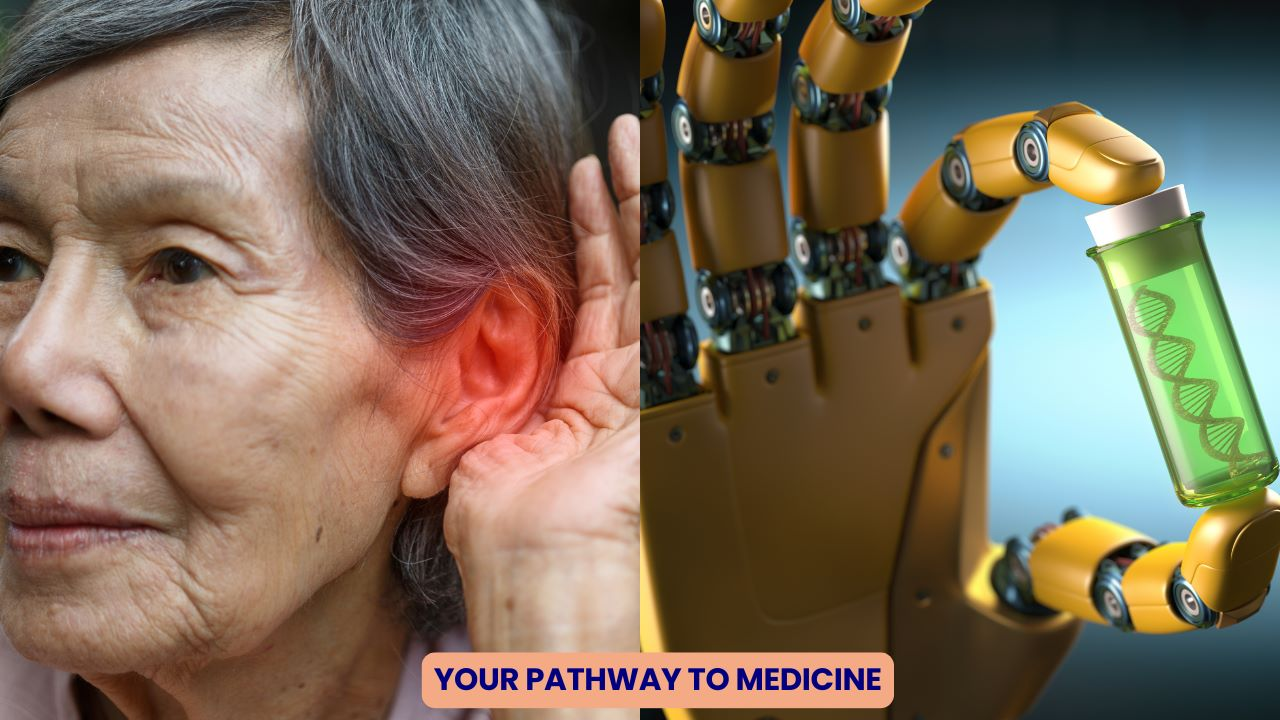

Imagine reversing hearing loss in just a few weeks… no surgery, no implants, just a single injection! Thanks to a pioneering new gene therapy, that possibility has just moved closer to reality.
In a ground-breaking clinical trial, a gene therapy injection has been shown to restore hearing in children born with a specific genetic condition, known as DFNB9, which causes profound deafness from birth. This revolutionary trial was recently reported by The Independent, and it's sending ripples across the medical and scientific communities.
The therapy works by delivering a working copy of the OTOF gene, which is essential for converting sound vibrations into brain signals, directly into the inner ear. The gene is delivered using a harmless virus as a vector, a technique already familiar from other forms of gene therapy.
How effective is the gene therapy treatment?
One of the children treated in the study began to show signs of hearing within just four weeks. Over time, the response to speech and environmental sounds continued to improve. Researchers hope that this treatment may offer a lifelong solution for many individuals with hereditary deafness — a condition that has, until now, had very limited options beyond cochlear implants or supportive therapies.
Professor Zheng-Yi Chen, a hearing expert from Harvard Medical School, called the results “a milestone in hearing restoration” and added: “The speed of recovery and the level of hearing improvement we are seeing is incredibly promising.”
Why does this matter to future medics?
As an aspiring medical student, it's essential to stay up to date with innovations that could reshape patient care. This story connects with many core medical school themes:
- Genetics and gene therapy: how emerging science is leading to targeted treatments.
- Innovation in medicine: from traditional surgery to viral vectors and molecular techniques.
- Ethical considerations: access, affordability, and long-term outcomes.
- Communication: explaining cutting-edge treatments clearly to patients and families.
Want to stand out in your personal statement or medical school interview?
This is exactly the kind of real-world development you can reference when asked about medical advancements that inspire you.
Stay on Track — with Your Pathway to Medicine
Our mentoring programme helps students go beyond textbooks. From weekly lessons and video tutorials to interview preparation and topical blogs like this, we ensure you are ready for every step of your journey to medical school.
Explore more at www.yourpathwaytomedicine.com