
Inspired by a BBC News article (August 2025)
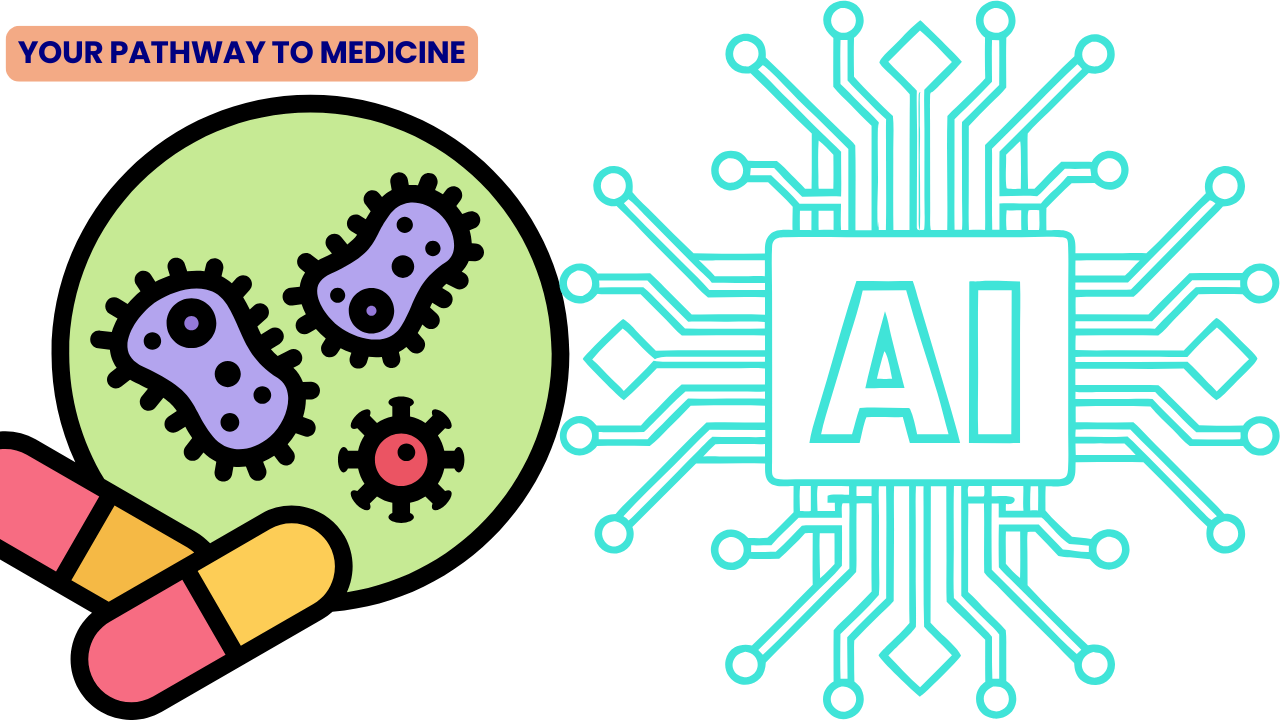
The rise of antibiotic resistance presents a serious and escalating threat to global healthcare, with infections such as MRSA (methicillin-resistant Staphylococcus aureus) and gonorrhoea increasingly evading existing treatments. Now, researchers at the Massachusetts Institute of Technology (MIT) may have discovered a powerful new ally in this fight: Artificial Intelligence (AI).
How It Works
- The researchers used generative AI to design over 36 million potential compounds, then screened them for their ability to kill MRSA and antibiotic-resistant gonorrhoea.
- The most promising candidates were synthesised and tested. In laboratory studies and preclinical animal models, two novel compounds successfully cleared MRSA skin infections and inhibited gonorrhoea.
- These AI-created molecules are structurally different from traditional antibiotics, lowering the likelihood of pre-existing resistance.
Professor James Collins, leading the study, describes it as a potential dawn of a “second golden age” in antibiotic discovery.
Why It Matters
- According to the World Health Organization (WHO), antimicrobial resistance is one of the greatest threats we face as a global community.
- Antibiotic resistance currently kills over a million people worldwide each year, with the UK alone seeing more than 66,000 serious cases in 2023.
- Most antibiotics still in use were discovered decades ago. This AI-driven approach opens up entirely new chemical spaces, offering hope for future treatments.
Future Implications for Aspiring Medics
As future medical professionals, it’s vital to understand these developments:
- Innovation in Practice: Medicine is rapidly evolving with AI not only diagnosing but also designing treatments.
- Ethical Dimensions: The excitement of new breakthroughs must be balanced with safe translation into clinical use.
- Research Opportunities: AI-based drug discovery opens exciting interdisciplinary opportunities between medicine, computing, and biotechnology.
Final Thoughts
The emergence of AI-designed antibiotics offers exciting promise, but remember, these compounds still need extensive refinement and clinical trials before they can be prescribed. This breakthrough underscores the importance of staying at the forefront of medical innovation.
Stay curious. Stay informed. Stay on track — on Your Pathway to Medicine.